
What is theology? We often hear this word in sermons or in Bible studies. Theology, by dictionary definition, is the study of religious faith, practice, and experience, especially the study of God and God’s relation to the world. In seminary, one of my professors defined theology as “God talk.”
Easy definition, but why does theology matter?
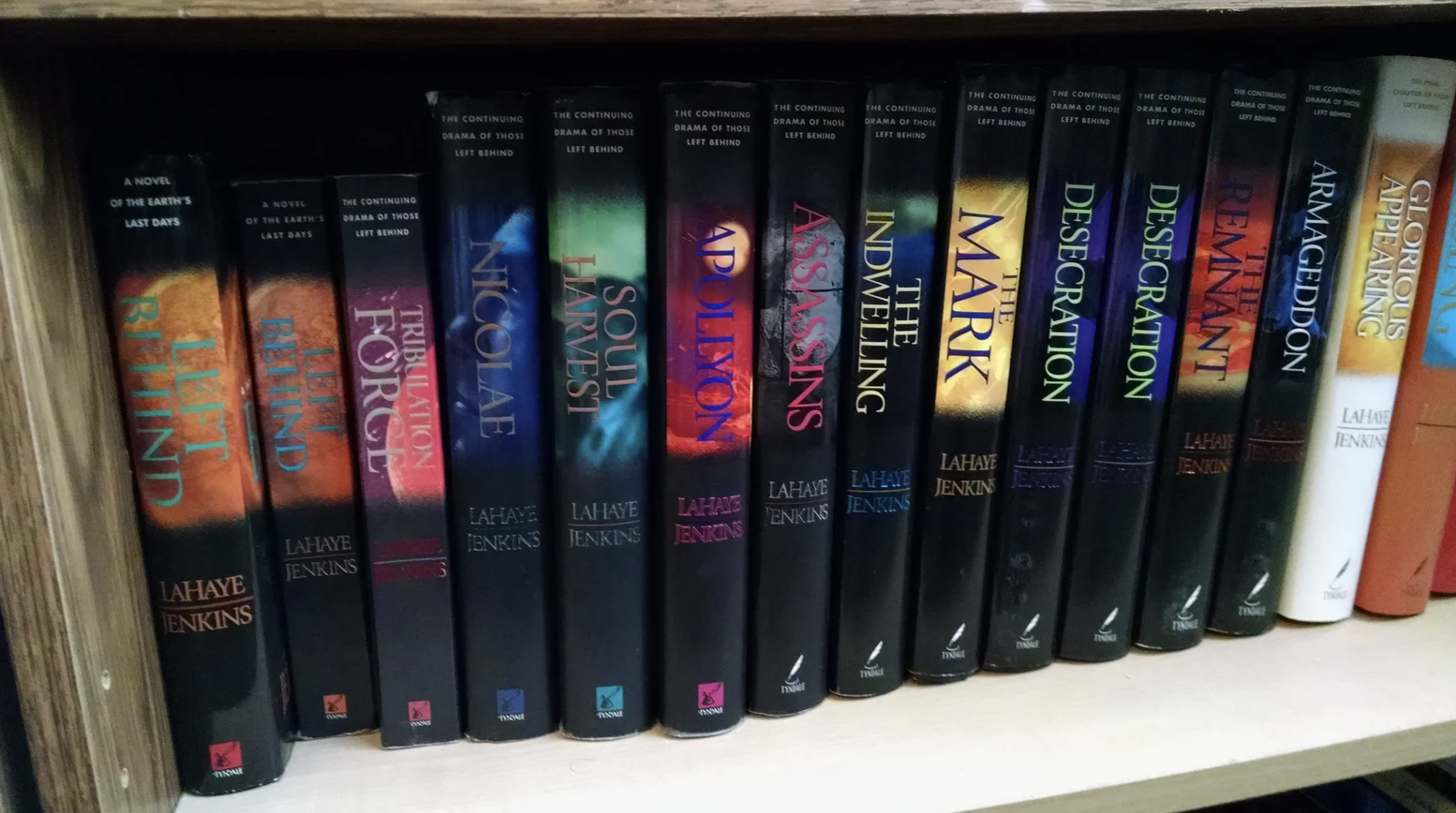
Many of you may remember The Left Behind Series by Tim LaHaye and Jerry Jenkins. It was a widely popular series, with a few movie versions released, that attempted to tell the final story in the Bible, the Book of Revelation, as if it were to happen in the present day. In a very short summary, Christians are caught up to heaven (raptured) and those ‘left behind’ wrestle with the emergence of the antichrist while longing for the return of Jesus. The Left Behind Series is an entertaining read, with action, suspense, and clear good guys and bad guys. Unfortunately, many Christians took the series as more than just an entertaining read, but as literal Biblical truth. A sort of end-times survival guide.
The series takes an approach to the book of Revelation that was unheard of until 175 years ago. This view of Revelation, called dispensationalism, was championed by the preacher John Darby starting in 1830, and in the 20th century by John Schofield (of the Schofield Bible fame). Hal Lindsay and John Hagee were proponents of dispensationalism in more recent times. Dispensationalism was popular in border states, allowing believers to emphasize personal salvation over societal reform. Darby’s theology, spread through the wide distribution of the Schofield Bibles, popularized the idea of dispensationalism: that there will be a final battle before Jesus returns, and that Christians play a major role in this battle. In short, this battle requires human influence to initiate the second coming, where things will ‘be made right.’ Again, this theology was attractive to southern Christians as it had a future focus (return of Christ) that allowed them to ignore the opportunities to confront racism, slavery, and societal reform. Over time, dispensationalism moved beyond the South and became part of ‘end times’ preaching in the United States.
(I hear you while I type: “Thanks for the history lesson…What does this have to do with anything?”)
I was reminded of the power of theological ideas of Dispensationalism when, a few weekends ago, the United States began combat missions in Iran. Israel and the Middle East have long been believed by dispensationalists to be key to the book of Revelation, end times, and the return of Christ. As we, the people, began getting clarity on what was happening, there were reports coming from Military Religious Freedom Foundation that US Troops have been told that the attack of Iran was part of God’s “plan” and that the president “has been anointed by Jesus to light the signal fire in Iran to cause Armageddon and mark his return to Earth.” If true, this is the influence of dispensationalism on a geopolitical scale. You might recognize the word Armageddon. It is a reference to a final battle between good and evil and those who believe our human actions can bring about the return of Christ.
This is why theology matters. The Book of Revelation is a unique part of Scripture called apocalyptic writing. It is filled with symbolism and code. Revelation was written to encourage believers facing intense persecution by the Roman Empire. They would understand the symbolism, while the Romans did not. Revelation is a book of hope- that Jesus has the final victory over sin, death, and evil. It points to the final promise of God that all of creation will be made right by His hands and His hands alone.
How does the final battle end in Revelation? All the action belongs to Christ. His only weapon is a sword carried in his mouth. This sword is THE WORD OF GOD. Jesus shows up in Revelation as a Lion ready to roar, but wins the battle as a slain lamb who shed his own blood. Peace is not established through violence, but through the sacrifice of the Lamb.
What is the point of this meandering walk through Revelation and dispensationalist theology?
1. Theology Matters: What we believe about God, the Bible, the world, or other people impacts how we live. Simply put, the whole of Scripture does not support dispensationalism. As Christian’s, we have seen other areas of the faith take sharp turns into falsehoods and how those falsehoods hurt, if not destroy, Christian witness due to bad or poor theological views. What we believe influences how we live. If we believe that we (Christians) have to engage in a final battle to usher in Christ’s Kingdom, we’ll work towards that. Likewise, if we believe that the way of Jesus is sacrificial love, then we will live to fulfill that.
2. Our Church Fathers and Mothers Matter: One of the most beautiful parts of the church is the history of how we understand the Bible and live out the way of Jesus. We have a long history of church Fathers and Mothers who have led the way in understanding Scripture. I am wary of new traditions and interpretations that are contrary to the historic creeds and faith foundations of Christianity, or are America-centric. To live the way of Jesus, we must take time to listen and learn from those who have lived it out before us.
3. No One Knows the Day or the Hour: The words of Jesus remind us that no one knows when Jesus will return. Likewise, there isn’t anything in Scripture describing how we can bring about Jesus’ return. The only encouragement from Scripture is to be ready. That we are sure that we have received forgiveness of our sins and are living out the way of Jesus in our lives. God does not need our military, missiles, or bombs to prepare the way for Jesus.
For any person, let alone Christians, what we believe matters, especially what we believe about God. Our actions are driven by our beliefs. The Church is needed to proclaim Jesus, to teach sound doctrine, and to live as apprentices of Jesus who walk in the ways of peace.
*Thanks to my friend, Dan Nelson, for helping finalize this post*

 Exiled Community
I’ve always told people I’ll believe it’s the end times when I see the two witnesses prophesying for 1260 days. Until then? Carry on and be Christ in the world!
LikeLike